Page Contents
Short courses and introductory courses are available in Cambridge in person. All training is in person.
To book introductory days contact Gill Westland gillwestland@cbpc.org.uk
Please see Training in Biodynamic Massage for full details of the Emotional Anatomy and Physiology course, which is suitable for counsellors, psychotherapists, and complementary therapists wanting to know more about the relevance of the subject to their work.
Open Events
Open events have a talk on body psychotherapy and information on training courses offered at CBPC. These are all in person.
The next Open Event is on Friday 24th July 4.00 – 6.00 p.m.
To book, please contact gillwestland@cbpc.org.uk.
The fee is £10.00.
Venue: CBPC, 28 Ditton Walk, Cambridge, CB5 8QE
Please see map on this site on how to reach the centre.
FILM NOW AVAILABLE:
BEING IN TOUCH: COMMUNICATING THROUGH TOUCH IN PSYCHOTHERAPY
A ONE DAY CONFERENCE ON FRIDAY 24TH APRIL 2026
9.30 a.m. to 5.00 p.m.
AT KING’S COLLEGE, CAMBRIDGE UNIVERSITY, CB2 1ST
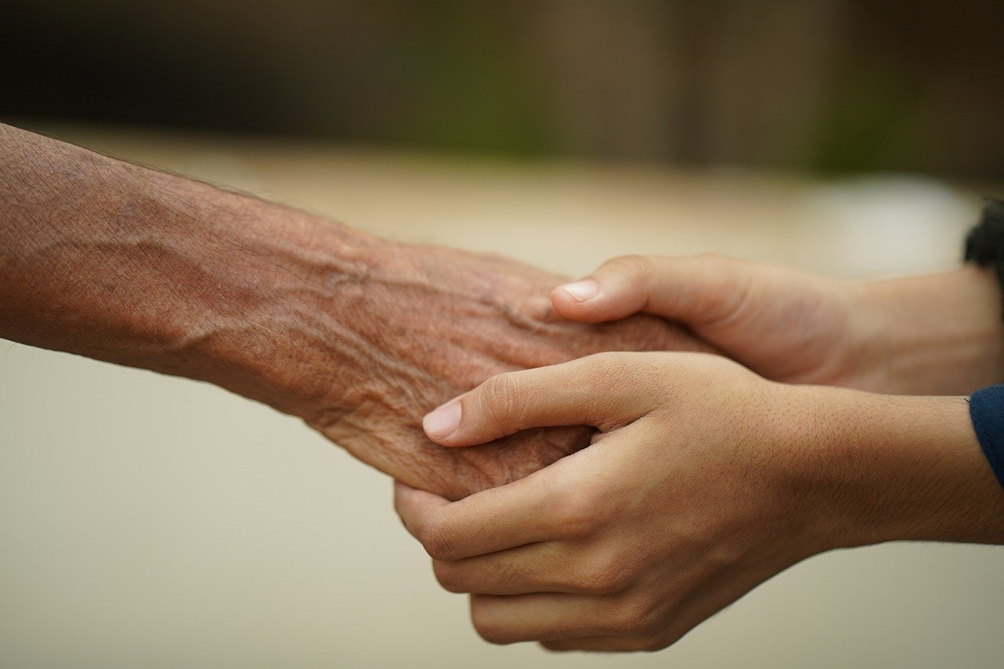
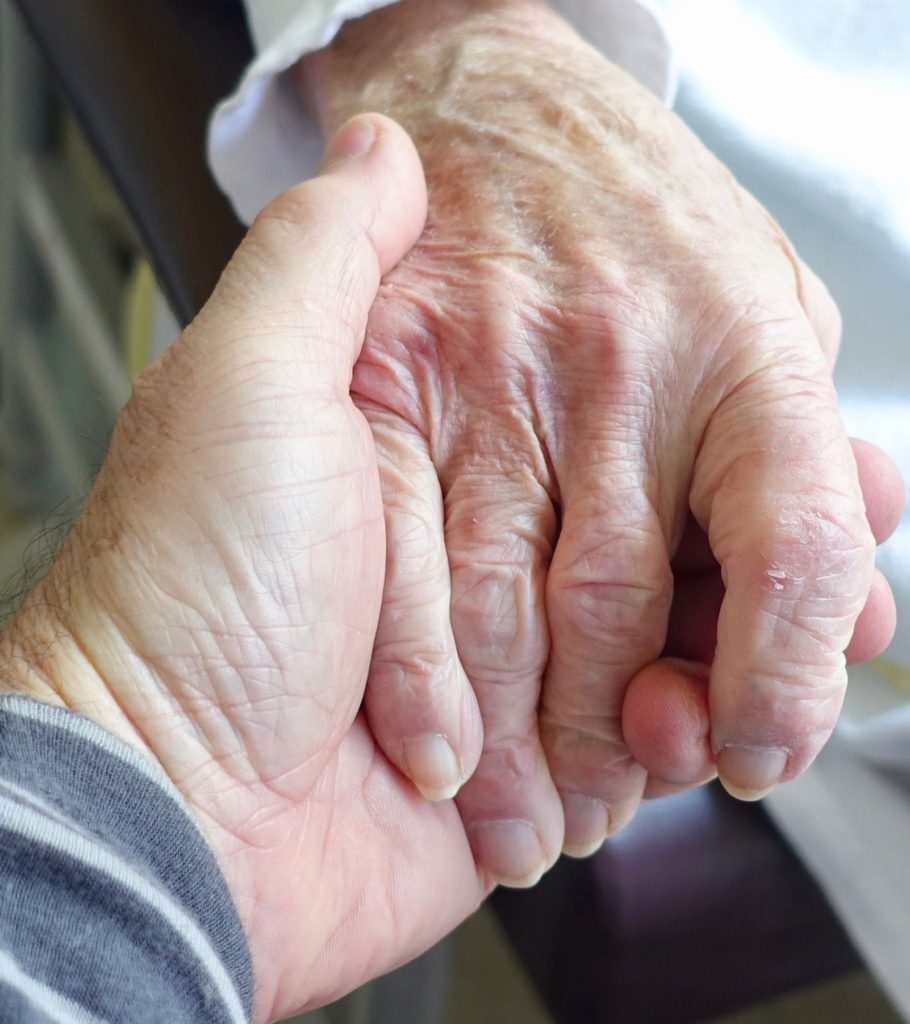
Touch is in communications between people. It is a two way process and is far quicker and more immediate than communication through words. Touch remains important throughout life and is part of non-verbal or extra-verbal communication. It runs alongside verbal communication with a touch on the arm, or a hug conveying far more than words can express.
Communicating through touch is a way of relating in body psychotherapy. Body psychotherapists are trained to touch, have a touch lexicon, are skilled in its timely therapeutic use, and know how to observe and discuss the impact of touching with clients. Ways of touching are diverse and complex. Varying speed, rhythm, pressure and depth, focussing on different tissues of the body, touching skin to skin, through clothes and blankets, touching with finger tips, the palms of the hands, elbow to elbow are some of the possibilities. Through experience the skills and methods of touching become embedded in the psychotherapist and are pulled out of the practitioner, often intuitively, in a “dance” between client and therapist at appropriate moments.
Until fairly recently neuroscience has also neglected research on touch, and concentrated on the other senses. However, there is now a burgeoning interest with papers being written on Affective Touch, mirror touch, vicarious tactile experience and so on. The importance of touch in infancy is also generating papers.
SPEAKERS
Professor Francis McGlone Losing Touch with Touch: It Will Cost Us Dearly
Professor Aikaterini (Katerina) Fotopoulou The Neuroscience of Affective Touch: From Basic Mechanisms to Tactile Emoticons
Anita Ribeiro (PhD) How complex is therapeutic touch in psychotherapy?
Tom Warnecke Touch in psychotherapy – mutuality, contexts and taboos
Julia Corley, Contacting The Implicit: The Use Of Touch in Hakomi Mindful Somatic Psychotherapy
Gillian Chumbley The Far-Reaching Effects of Touch
Claudia de Campos Back to the beginning: Reich, touch, prevention, development and where did we get to?
https://wholebeingfilms.com/product/being-in-touch-conference-2026/
FILM of the Conference in 2022: Being in touch: Communicating through touch in psychotherapy
The film of the one day conference on Saturday 9th July 2022 9.30 a.m. – 5.00 p.m. at King’s College, Cambridge University is also available.
FILM available from WHOLE BEING FILMS https://wholebeingfilms.com/product/being-in-touch-conference-2022/

SPEAKERS
Professor Francis McGlone Losing Touch with Touch: It Will Cost Us Dearly
Dr Natalie Bowling, Individual variability in touch attitudes and experiences.
Dr Katarina Fotopoulou, The Neuroscience of Affective Touch: From the Lab to the Couch
Tom Warnecke, Stirring the depths – reflections on touch in psychotherapy
Gill Westland, Sue Frazer, Touch in Body Psychotherapy
Dr Elya Steinberg, Dr David Tune, sissy lycou Panel Presentation
Introduction to Biodynamic Massage
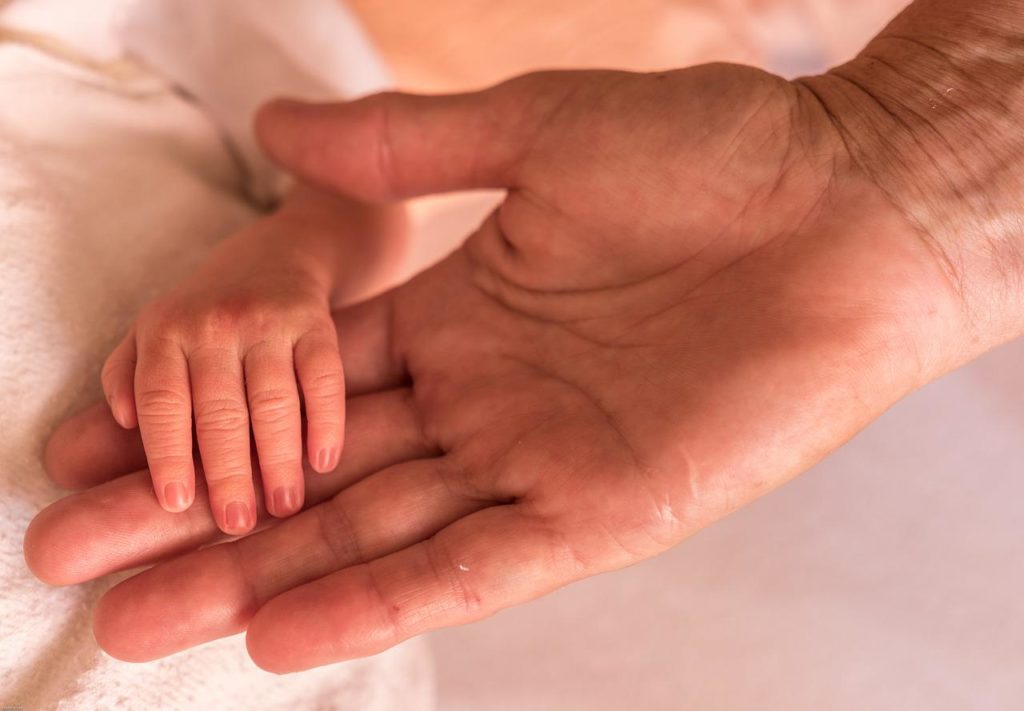
Suitable for complete beginners, counsellors, healthcare professionals. One day course to learn basic methods and theory of Biodynamic Massage. Biodynamic massage involves “contactful touch” and the day will provide opportunities to explore communicating through touch.
Date: No dates are being offered currently
Cost: £120.00
Course leader: Sue Frazer

Introduction to Body Psychotherapy – Basics 1
Body psychotherapy starts with awareness of body awareness (noticing physical sensations). Body awareness comes from bringing attention to the body when speaking, sitting, walking, moving and living life. Body sensations are usually background information that can be brought into focus. The body communicates and guides us on what helps or hinders; what brings joy in living and better well-being. The themes of Grounding, Centring and Facing will also be explored. The emphasis will be on Grounding. Grounding is about being in reality, seeing things as they are and living from a place of inner strength.
Date: No dates are being offered currently
Cost:£120.00
Course leader: Gill Westland

Affective Touch
A Continuing Professional Development course.
For those qualified in Biodynamic Massage or Body Psychotherapy, Sue Frazer offers a one day introduction to Affective Touch from time to time.
Next dates are: No dates are being offered currently
Cost: £120.00 – for those new to Affective Touch
Cost: £120.00 – for those who have attended an introduction to Affective Touch and want to find out about new developments in the field.
BOOKING FOR SHORT COURSES: To book please send the full fee. Please email us for our bank details for a bank transfer. Please also include brief details about yourself e.g. profession, area of work, reason for wanting to do the course.